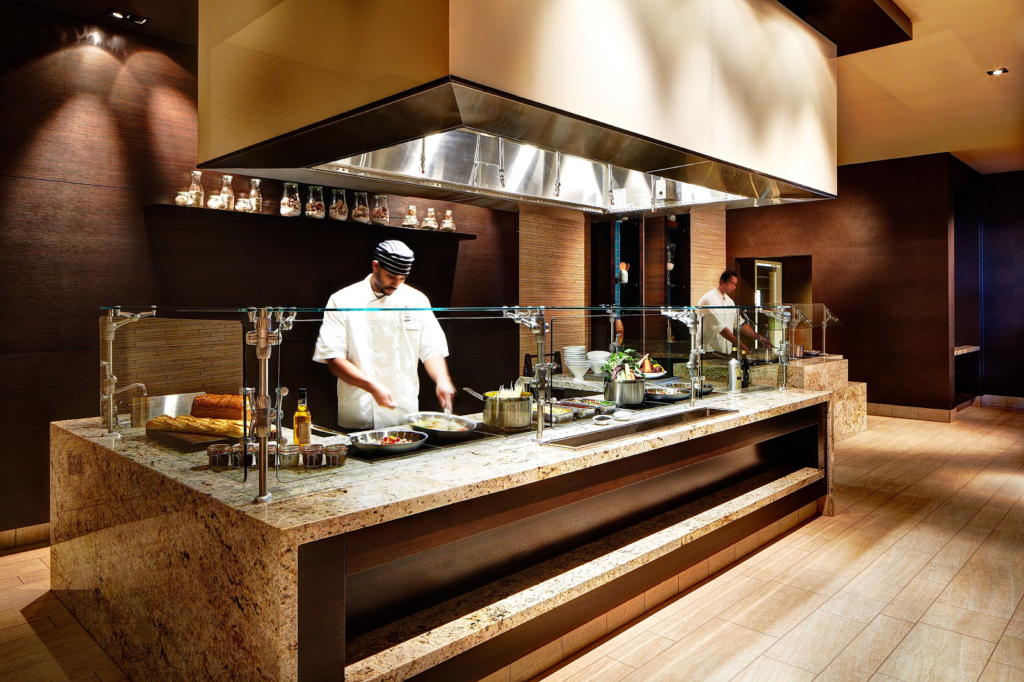
Some of the best food in America isn’t found in famous restaurants—it’s quietly served inside hotel kitchens that most guests never see. These hidden hotel kitchens create extraordinary, off-menu meals for travelers who know how to ask. This in-depth guide reveals why hotels hide their best food, who gets access, how travelers unlock it, and why these secret kitchens often outperform Michelin-starred restaurants.
The Best Meals in America Are Hiding in Plain Sight
Ask most travelers where the best food in a hotel is served, and they’ll point to the restaurant downstairs or the room-service menu on the nightstand. That assumption is understandable—and quietly wrong.
Across the United States, some of the most memorable meals aren’t plated in hotel dining rooms at all. They’re prepared behind unmarked doors, inside hidden hotel kitchens that operate outside the public eye. These kitchens aren’t secret because they’re illegal or exclusive for show. They’re hidden because they exist to serve a different purpose entirely.
For guests who know how to ask, these kitchens routinely deliver meals that rival—and often surpass—the best restaurants in the city.
What Are Hidden Hotel Kitchens, Really?
Hidden hotel kitchens are non-public culinary operations inside hotels that don’t function like traditional restaurants. They may exist alongside a restaurant or replace one entirely during certain hours.
These kitchens are often used for:
- Executive suites and private residences
- Long-stay or VIP guests
- Private events and buyouts
- Ownership and investor meals
- Cultural or dietary requests not suited for public menus
In many luxury and boutique hotels, the most talented chefs spend significant time cooking in these spaces rather than in the dining room guests see.
Why Hotels Don’t Advertise Their Best Food
This raises an obvious question: Why would hotels hide something so good?
The answer is rooted in operations, not secrecy.
Public hotel restaurants must prioritize:
- Speed and consistency
- Cost control
- Broad appeal
- Predictable menus
Hidden kitchens exist where those limitations disappear.
In private settings, chefs can:
- Cook smaller, more precise portions
- Use rare or expensive ingredients
- Customize meals for individual guests
- Experiment creatively without reviews or ratings
Hotels don’t hide these kitchens because the food is bad.
They hide them because the food is too personal to scale.
A Real-Life Example: The “Staff Kitchen” That Outsmarts Fine Dining
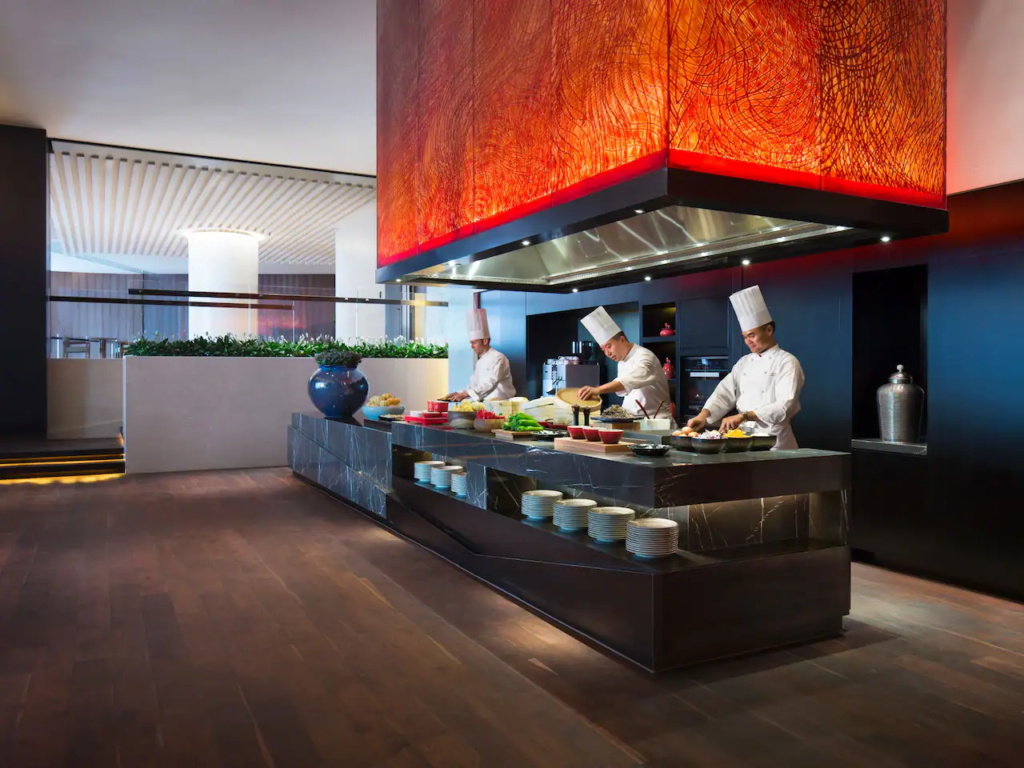
At a luxury hotel in Manhattan, guests often rave about the hotel restaurant. What they don’t know is that the executive chef prepares entirely different meals in a back-of-house kitchen labeled “staff only.”
Long-stay guests who express curiosity about food are quietly offered off-menu dinners prepared just for them. One guest described the experience as “the best meal I’ve had in New York—and no one even knows it exists.”
This pattern repeats across the country.
Why Hotel Chefs Love Cooking in Hidden Kitchens
Chefs working in hotel restaurants face intense pressure. Online reviews, influencers, and rankings influence every plate. Creativity often takes a back seat to consistency.
Hidden kitchens offer something rare: creative relief.
Chefs frequently say that cooking privately allows them to:
- Reconnect with why they became chefs
- Build genuine relationships with guests
- Cook culturally specific or nostalgic dishes
- Work without constant judgment
One chef in Napa explained that his favorite meals each week weren’t served in the dining room—they were cooked quietly for guests who cared enough to ask.
Who Actually Gets Access to These Kitchens?
Contrary to popular belief, access isn’t strictly about money.
Guests most likely to unlock hidden kitchens include:
- Long-stay travelers
- Repeat hotel guests
- Suite or residence guests
- Guests celebrating meaningful occasions
- Travelers who express genuine interest in food
Hotels listen carefully to how guests speak. Curiosity and respect open more doors than entitlement ever will.
The Exact Question That Unlocks Better Food
One of the most effective ways to access hidden hotel kitchens is surprisingly simple.
Instead of asking, “What’s your best dish?”
Ask: “Is there anything the chef enjoys cooking that isn’t on the menu?”
This question signals:
- Respect for the chef’s craft
- Openness to surprise
- Absence of entitlement
In many hotels, this single sentence shifts how staff respond.
Why These Meals Taste Better Than Restaurant Food
Guests often say these meals feel better—not just taste better.
There are clear reasons:
- The food is cooked in small batches
- The chef knows who they’re cooking for
- There’s no pressure to rush service
- Presentation is secondary to flavor
Psychological research shows that personalization significantly improves satisfaction. When diners know a meal was prepared specifically for them, their experience deepens.
Cities Where Hidden Hotel Kitchens Shine
While this phenomenon exists nationwide, it thrives most in cities with strong hospitality cultures.
Notably:
- New York City — luxury hotels serving long-term residents
- Los Angeles — wellness-driven and celebrity clientele
- Las Vegas — private high-roller kitchens
- Miami — global guests with cultural expectations
- Chicago — legacy hotels with chef-driven programs
In these cities, hotel kitchens often rival the best standalone restaurants.
The Truth About Room Service (And Why It’s Underrated)
Room service has a bad reputation—but often unfairly.
At high-end hotels, room service frequently connects directly to hidden kitchens. Custom requests, late-night orders, and cultural meals are often handled by senior kitchen staff.
One guest in San Francisco described ordering “something comforting from home” and receiving a fully customized regional dish that never appeared on any menu.
Room service isn’t the problem.
Generic ordering is.
Why Food Critics Rarely Talk About This
Food media depends on visibility and repeatability. Hidden hotel kitchens offer neither.
These meals:
- Can’t be reviewed publicly
- Change based on the guest
- Depend on timing and rapport
- Aren’t available to everyone
As a result, some of the best food in America never appears in rankings or articles.
How to Access Hidden Hotel Kitchens: A Practical Guide
Here’s what consistently works:
Proven strategies:
- Stay more than one night
- Build rapport with front-of-house staff
- Ask thoughtful, open-ended questions
- Express food interests naturally
- Be flexible and patient
Hotels reward guests who engage thoughtfully rather than demand special treatment.
Is This Only for Luxury Hotels?
Not exclusively.
While luxury hotels offer the most opportunities, boutique and historic hotels often have deeply personal culinary programs. The key factor isn’t price—it’s whether the hotel values food as part of its identity.
Some mid-range hotels with passionate chefs quietly deliver extraordinary meals.
Is It Worth the Effort?
For food-focused travelers, absolutely.
Guests who unlock hidden kitchens often say:
- The food exceeds Michelin-level quality
- The experience feels deeply personal
- The value surpasses restaurant dining
In an age of overexposure, discovering something genuinely underrated feels rare—and special.
Practical Takeaways for Travelers
If you want better hotel food:
- Ask better questions
- Be curious, not demanding
- Avoid peak dining times
- Treat staff with respect
- Accept that access isn’t guaranteed
The best meals are invitations—not entitlements.
Frequently Asked Questions (Trending Searches)
1. What are hidden hotel kitchens?
Ans. Hidden hotel kitchens are private or non-public kitchens inside hotels that serve off-menu meals to select guests.
2. Why do hotels hide their best food?
Ans. Because personalized, creative cooking doesn’t scale well for public dining rooms.
3. Who can access hidden hotel kitchens?
Ans. Long-stay guests, repeat visitors, and guests who show genuine interest in food.
4. Do you need to be wealthy to get access?
Ans. Not necessarily. Curiosity, respect, and timing matter more than money.
5. How do I ask without sounding rude?
Ans. Ask about what the chef enjoys cooking instead of requesting special treatment.
6. Are hidden kitchen meals more expensive?
Ans. Sometimes, but often they’re comparable to restaurant prices—just better.
7. Is room service connected to hidden kitchens?
Ans. In many luxury hotels, yes—especially for customized orders.
8. Which U.S. cities have the best hidden hotel kitchens?
Ans. New York, Los Angeles, Las Vegas, Miami, and Chicago.
9. Why don’t food critics review these meals?
Ans. Because they’re private, non-repeatable, and guest-specific.
10. Will hotels ever make these kitchens public?
Ans. Unlikely. Their value depends on discretion and exclusivity.
Final Thoughts: The Quietest Kitchens Often Cook the Best Food
Some of the greatest meals in America aren’t celebrated—they’re discovered.
Hidden hotel kitchens prove that great food doesn’t need branding, influencers, or awards. It needs attention, care, and human connection.
And sometimes, all it takes to unlock the best food of your life is knowing how—and when—to ask.