For years, Americans paid premium prices for “gourmet” foods they believed were rare, artisanal, and superior. Then experts uncovered the truth: many of these products were mass-produced, mislabeled, or chemically enhanced. This in-depth exposé reveals how the gourmet food scam worked, why everyone fell for it, how it was exposed, and how consumers can avoid being misled again.
Introduction: When “Gourmet” Became a Lie We All Believed
Walk into any upscale grocery store and you’ll see shelves filled with elegant packaging and seductive language. Words like artisan, handcrafted, chef-grade, imported, and small-batch appear everywhere. They whisper promises of quality, authenticity, and exclusivity.
For years, Americans trusted those words.
They paid more.
They felt smarter for doing so.
They believed they were eating better food than everyone else.
Then food scientists, regulators, and investigative journalists started asking uncomfortable questions.
What they uncovered wasn’t a single bad product or dishonest brand. It was something much bigger: a systemic gourmet food scam built on marketing language, weak regulation, and consumer psychology.
And once the truth surfaced, the illusion collapsed.
What Was the Gourmet Food Scam?
The “gourmet food scam” wasn’t a single con—it was a pattern.
Manufacturers used luxury language to sell ordinary or even inferior products at premium prices. These foods were marketed as rare, artisanal, or traditionally crafted when they were often:
- Industrially produced
- Chemically flavored
- Diluted or adulterated
- No different from cheaper alternatives
The scam thrived in categories where consumers lacked technical knowledge and trusted branding over verification.
Why Everyone Fell for It
Price as a Signal of Quality
Humans are wired to associate higher prices with higher quality. When a product costs three times more and comes in elegant packaging, we assume it must be better.
Food marketers understood this perfectly.
The Authority of “Gourmet Culture”
Celebrity chefs, cooking shows, glossy magazines, and restaurant culture reinforced the idea that certain foods were elite. Once a product entered the “gourmet” category, it gained instant credibility.
Lack of Transparency
Unlike electronics or cars, food quality isn’t easy to verify. Most consumers don’t have access to labs, chemical testing, or origin audits. Marketing filled the knowledge gap.
The Olive Oil Scandal That Opened the Floodgates
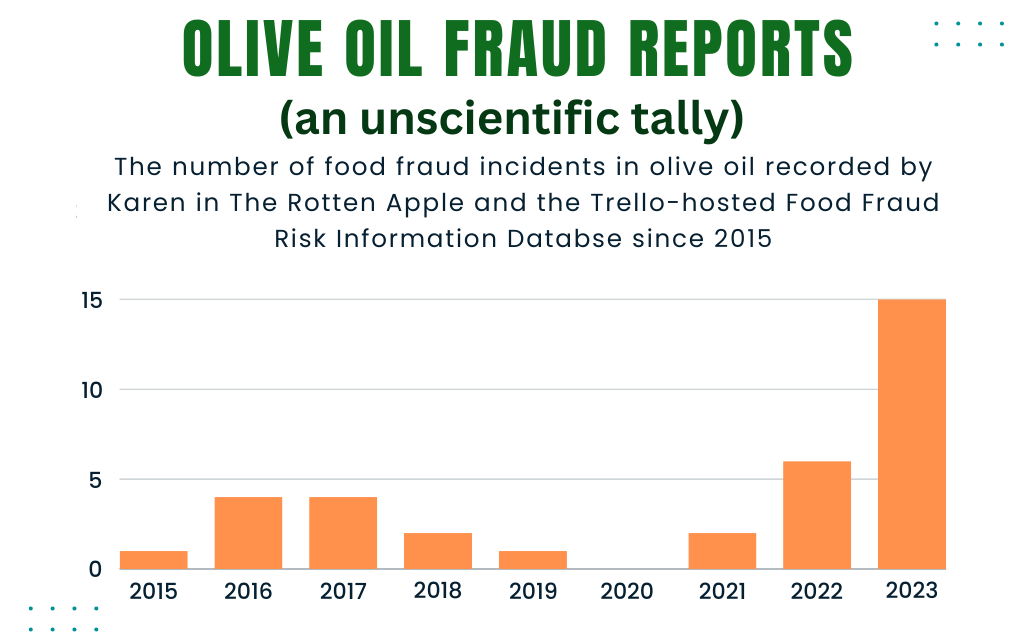
The first major crack appeared in olive oil.
For years, experts suspected something was wrong. Oils labeled “extra virgin” didn’t taste fresh. They spoiled quickly. They behaved differently in cooking.
Independent testing finally confirmed it.
What Experts Found
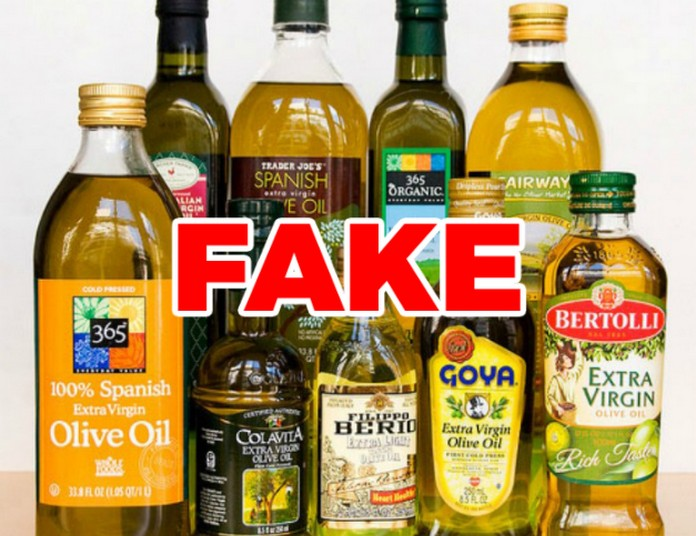
Studies conducted by institutions such as the University of California, Davis Olive Center revealed that a significant percentage of imported “extra virgin” olive oils sold in U.S. supermarkets:
- Failed chemical freshness standards
- Contained refined or deodorized oils
- Were already rancid before expiration
In Europe, many of these oils wouldn’t legally qualify as extra virgin.
Americans had been paying gourmet prices for products that didn’t meet basic quality definitions.
Truffle Oil: The Most Famous Fake Luxury Ingredient
If olive oil raised eyebrows, truffle oil caused outrage.
The Truth About Truffle Oil
Food scientists revealed that most truffle oils contain no real truffles at all. Instead, they rely on synthetic aroma compounds—commonly 2,4-dithiapentane—to imitate truffle scent.
Professional chefs had known this quietly for years. Consumers had no idea.
Once the truth spread, many high-end chefs publicly denounced truffle oil as one of the greatest scams in modern food marketing.
Other “Gourmet” Foods That Didn’t Live Up to the Label
As scrutiny increased, other luxury foods fell apart under examination.
Commonly exposed categories included:
- Honey – Often diluted with corn syrup or rice syrup
- Vanilla – Artificial flavor marketed as “natural”
- Wagyu beef – Crossbred cattle sold as authentic Japanese Wagyu
- Imported cheeses – Domestic products using European-sounding names
- Balsamic vinegar – Cheap imitations lacking traditional aging
The pattern was consistent: luxury language without luxury substance.
How Experts Finally Exposed the Scam
The illusion didn’t collapse overnight. It unraveled step by step.
Laboratory Testing
Advances in chemical analysis allowed scientists to detect adulteration and mislabeling with unprecedented accuracy.
Investigative Journalism
Publications like The New York Times, The Guardian, and Consumer Reports translated technical findings into plain English for consumers.
Chef Whistleblowers
Professional chefs began speaking openly, explaining that many “gourmet” products were never used in serious kitchens.
Once scientists, journalists, and chefs aligned, the public narrative changed.
Why the Scam Lasted So Long
Weak Labeling Laws in the U.S.
Terms like gourmet, artisan, and handcrafted have no legal definition in the United States. Brands could use them freely without proof.
Fragmented Oversight
Multiple agencies oversee food labeling, creating loopholes and inconsistent enforcement.
Aspirational Buying
Consumers weren’t just buying food—they were buying identity. Gourmet products sold the feeling of sophistication.
The Emotional Backlash from Consumers
When people realized they had been misled, reactions were intense.
Many felt:
- Betrayed
- Embarrassed
- Manipulated
Trust in premium food branding dropped sharply, especially among younger consumers who began questioning labels more aggressively.
Ironically, this backlash created something positive.
What Replaced the Gourmet Illusion?
As blind trust faded, new signals of quality emerged.
Consumers began prioritizing:
- Transparency over elegance
- Provenance over price
- Certification over storytelling
Farmers’ markets, direct-to-consumer brands, and products with verified origins gained credibility.
How to Spot a Gourmet Food Scam Today
You don’t need a science degree. You need skepticism.
Red flags include:
- Vague origin claims
- Excessive buzzwords without specifics
- No harvest, production, or sourcing details
- High prices without third-party certification
True quality is usually verifiable. Fake luxury hides behind mystery.
What This Means for the Future of Food Marketing
According to consumer trust surveys cited by Nielsen, transparency now outranks brand prestige in food purchasing decisions.
This shift is permanent.
Brands that survive will be those that can prove claims, not just market them.
Practical Takeaways for Shoppers
If you want genuinely good food:
- Learn basic labeling standards
- Trust certifications, not adjectives
- Buy fewer premium items—but better ones
- Ask where and how, not how fancy
Quality doesn’t need exaggeration.
Practical Takeaways for Brands and Producers
The era of vague luxury is over.
Winning brands now focus on:
- Radical transparency
- Clear sourcing
- Verifiable claims
- Consumer education
Trust has become the new premium.
Frequently Asked Questions (FAQ)
1. What was the gourmet food scam everyone fell for?
Ans. It was a widespread pattern of misleading marketing where foods labeled “gourmet,” “artisan,” or “premium” were often mass-produced, adulterated, or lower quality than advertised.
2. Which gourmet food was most famously exposed?
Ans. Extra virgin olive oil and truffle oil were among the most exposed products, with widespread mislabeling uncovered by experts.
3. Are gourmet foods still trustworthy today?
Ans. Some are, but consumers should rely on certifications, sourcing transparency, and independent verification rather than marketing language.
4. Why was olive oil at the center of the scandal?
Ans. Laboratory testing showed many imported olive oils failed quality standards while being sold at premium prices.
5. Is truffle oil made from real truffles?
Ans. In most cases, no. It is usually flavored with synthetic compounds rather than actual truffles.
6. How can consumers avoid gourmet food scams?
Ans. By reading labels carefully, researching certifications, and avoiding products that rely heavily on vague luxury terms.
7. Are U.S. food labeling laws weaker than Europe’s?
Ans. Yes. European food labeling laws are generally stricter and more specific.
8. Did chefs know about these scams before consumers?
Ans. Many did. Professional chefs often avoided these products long before the public became aware.
9. Did this scandal change consumer behavior?
Ans. Yes. Shoppers now prioritize transparency, sourcing, and proof over branding.
10. Is “gourmet” a regulated term?
Ans. No. In the U.S., “gourmet” has no legal definition, making it easy to misuse.
Final Thoughts: The End of Blind Trust in Food
The gourmet food scam didn’t just expose bad products—it exposed how easily storytelling can override truth.
Consumers didn’t stop caring about quality. They stopped believing marketing alone could define it.
That correction is long overdue.
Real food doesn’t need deception. And once people learn that lesson, it’s very hard to forget it.